
How to Select Aramid Fabrics for High Heat Industrial Use

Last Updated: November 20, 2026
Quick Summary
Select aramid fabrics for high heat industrial use by mapping continuous heat, peak temperature and contact exposure first, then matching meta-aramid to sustained heat and para-aramid to mechanical abuse. Confirm every heat rating against its test method, and check weight, weave and seam compatibility before sourcing.
Record normal operating temperature, worst-case spikes and contact pressure before opening a fabric catalog.
Meta-aramid suits continuous heat, while para-aramid wins where cut and abrasion resistance dominate.
A single max temperature with no duration or test method is a marketing figure, not an engineering one.
Heavier woven fabric resists abrasion and contact heat longer but adds stiffness, bulk and cost.
Inherent flame resistance survives laundering, but contamination and UV exposure still degrade performance.
Ready to move your aramid product into production?
We sew light- and heavy-duty aramid components and support recurring production runs.
Table of Contents
Start With the Hazard, Not the Fabric
Selecting aramid fabrics for high heat industrial applications starts with the exposure, not the catalog. Engineers who begin with fiber chemistry often over-specify one property and under-specify another.
Map three things before you open a fabric binder:
Continuous heat: the steady operating temperature the part or garment sits in for hours.
Peak temperature: short spikes from a torch, a furnace door, or a nearby weld.
Contact exposure: direct touch against hot metal, plus the pressure and duration involved.
These behave differently. A fabric that shrugs off radiant heat may fail fast under sustained contact pressure. For a structured hazard-assessment framework, see our guide on how to choose industrial protective textiles.

Mapping Continuous Heat, Peak Temperature and Contact Exposure
Write the numbers down. "Hot" is not a specification. Record the normal operating temperature, the worst-case spike and how long it lasts, and whether the fabric touches the heat source or only faces it. That record becomes the brief you hand to a supplier, and it is the first thing a serious manufacturing partner will ask for.
Para-Aramid vs. Meta-Aramid: Matching Fiber Chemistry to the Job
Para-aramid and meta-aramid are both aromatic polyamides, and they are not interchangeable. Para-aramid is known for high tensile strength and cut and abrasion resistance, while meta-aramid is known for stability under continuous heat and flame resistance without melting or dripping.
Property | Para-Aramid | Meta-Aramid |
Tensile strength | Very high | Moderate |
Continuous heat performance | Limited | Strong |
Flame resistance | Inherent, self-extinguishing | Inherent, self-extinguishing |
Abrasion and cut resistance | High | Moderate |
Typical industrial use | Cut-resistant panels, reinforcement | Thermal barriers, protective clothing |
Where Each Fiber Wins and Where It Falls Short
Para-aramid wins anywhere mechanical abuse is the dominant threat: reinforcement patches, cut-resistant panels, high-wear seams. Meta-aramid wins where the part sits in continuous heat for long shifts. Most real industrial products blend the two, which is why fabric selection should follow the hazard map rather than a single fiber preference. Our comparison of materials for heavy duty industrial covers shows how aramids stack up against other fabrics.
Aramid Fabric Heat Resistance and What the Ratings Actually Tell You
Aramid fabric heat resistance is a set of test results, not a single number. Aramid fiber does not melt like nylon or polyester, and it is inherently flame resistant rather than treated. That is the real advantage: the protection cannot wash out or wear off. But the ratings buyers compare are produced by different test methods under different exposure conditions, and a figure lifted from a data sheet without its method is close to meaningless.
Separate the ratings into four families before you compare anything:
Continuous operating temperature. The steady temperature the fabric tolerates indefinitely without unacceptable strength loss or shrinkage. This is a long-duration property, and it is the number that governs furnace curtains, oven gaskets, and heat-tunnel belting.
Peak or short-excursion temperature. A brief spike measured in seconds or minutes. A fabric rated for a high peak may still degrade quickly if that peak repeats every shift.
Flame resistance. Whether the fabric self-extinguishes, how long it burns after ignition is removed, and whether it melts or drips. Inherent flame resistance in aramid means the property is built into the polymer, not applied as a finish.
Contact and radiant performance. Direct contact against hot metal transfers heat far faster than radiant exposure at the same nominal temperature, and the pressure and duration of contact change the outcome.
Reading Test Methods Instead of Marketing Numbers
Ask for the method behind every figure, then read it the way a lab technician would. Thermal protective performance testing typically reports how long a fabric delays heat transfer to a sensor under a defined exposure; the result depends on the heat flux, the sensor, and the spacing used in the test. Flame-spread testing reports afterflame and char length under a specified ignition source.
Watch out: a data sheet that lists a single "max temperature" with no duration, no test method, and no property measured is a marketing figure, not an engineering one. Treat it as a starting question, not an answer.
What Degradation Actually Looks Like
Thermal degradation in aramid is cumulative and time-dependent. Strength loss, shrinkage, and charring all depend on temperature multiplied by exposure time, so a fabric that survives a one-minute peak may lose a meaningful share of its tensile strength after hundreds of hours at a lower steady temperature.
Confirm which fire-protection standard applies to your product category before you lock a specification. The NFPA standards catalog is the place to identify the relevant standard, and the test methods it cites are the ones your supplier's data should map to.
Aramid Fabric Weight and Weave: Construction Trade-Offs That Decide Performance
Aramid fabric weight and weave decide how the finished part behaves, and heavier is not automatically better. Fabric weight is usually quoted in ounces per square yard or grams per square meter. Heavier woven fabric resists abrasion and contact heat longer but adds stiffness, bulk and cost.
Weave matters just as much. Tight plain weaves resist abrasion but drape poorly. Twill and ripstop constructions balance strength with flexibility. Our guide on designing custom industrial equipment covers walks through translating these choices into a finished product.
Aramid Fabric Testing and Care Through the Service Life
Aramid fabric testing and care determines whether the protection lasts as long as the purchase order assumes. Inherent flame resistance does not degrade with laundering, but abrasion, contamination, and UV exposure do, and the rate at which they degrade performance depends on the task, the cleaning method, and how the product is stored between shifts. Most industrial buyers treat service life as a calendar question. It is really a condition question, and the difference shows up in replacement spend and in unplanned downtime.
Laundering and Cleaning Without Destroying the Fabric
Inherent flame resistance survives repeated washing because it is a property of the polymer, not a finish. What does not survive is everything around it. Harsh chemicals, high-temperature drying, and aggressive mechanical action can attack the fiber, shrink the weave, or break down seam thread before the fabric itself fails. Follow the fabric supplier's cleaning instructions exactly, and treat any deviation as a change that requires re-qualification. For products that see oil, grease, or metal dust, cleaning frequency matters as much as cleaning method: contamination left in the weave changes how the fabric behaves near heat.
Contamination Is the Hidden Failure Mode
Oil, grease, metal dust, and airborne particulate soak into a woven fabric and can change its thermal behavior, sometimes turning a fabric that self-extinguishes into one that sustains combustion. Contamination also masks wear: a stiff patch may be polymer degradation or it may be cured oil, and the two call for different responses. Build contamination checks into the inspection routine, not just visual wear checks.
Inspection Criteria That Hold Up in Production
Build inspection into the maintenance cycle and make the criteria specific enough that two inspectors reach the same conclusion:
Check high-wear zones first: cuffs, seams, attachment points, fold lines, and anywhere the product rubs against equipment.
Look for thinning, glazing, charring, stiff patches, and color change that suggests thermal exposure.
Measure rather than eyeball where the product has a dimensional requirement; shrinkage shows up before visible damage.
Inspect seams and reinforcement separately from the body fabric. Bar-tack and box-X reinforcement can fail before the panel does.
Replace any component showing mechanical damage, regardless of age.
A common mistake is retiring a product on calendar age alone while ignoring actual wear data, or the reverse: running a product past its safe life because it still looks intact. Neither is a defensible replacement policy.
Repair, Replacement, and the Procurement Loop
Decide up front which components are repairable and which are not. Seam and reinforcement repairs are often practical; a panel with thermal degradation or contamination in the weave usually is not. Replacement criteria should be written into the specification so that operations, maintenance, and purchasing work from the same rule. That is also where total cost of ownership gets decided: a fabric that lasts twice as long but costs more per yard may still be the cheaper choice once replacement labor and downtime are counted, and a fabric that fails early erodes the savings from its lower purchase price.
Sourcing Aramid Fabric and Production Feasibility at Industrial Scale
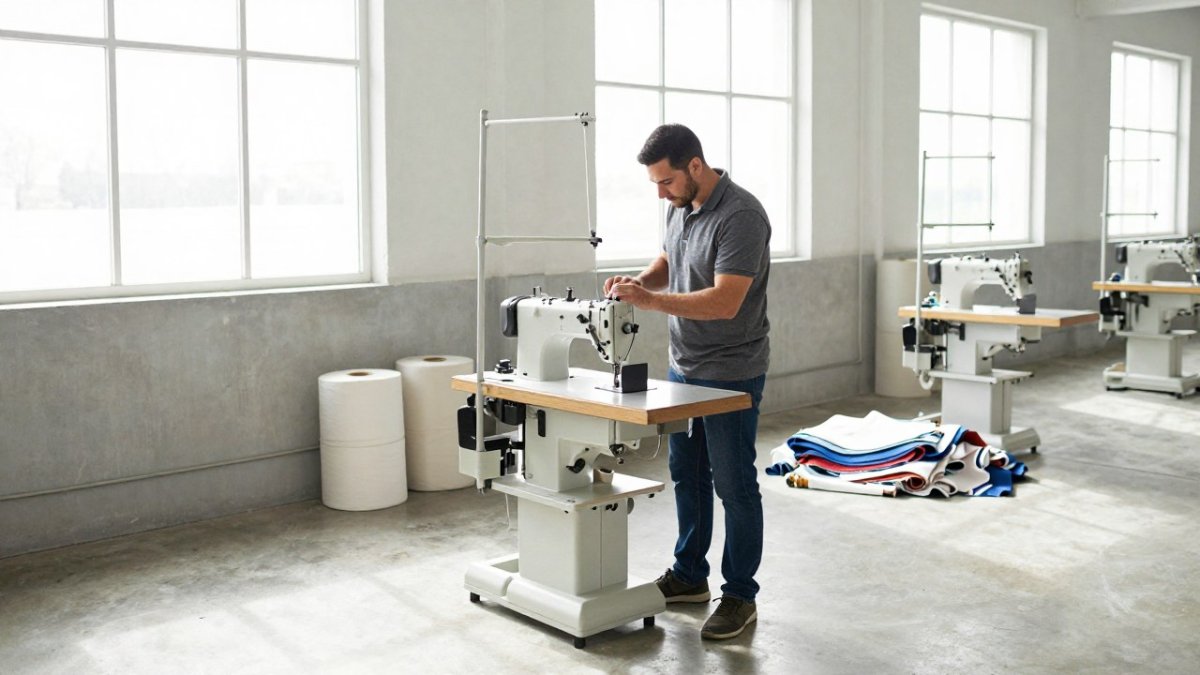
Sourcing aramid fabric at industrial scale means matching a qualified material to a manufacturer who can cut, sew and assemble it repeatably. Aramid is not forgiving. It dulls cutting blades, demands controlled needle and thread selection, and punishes inconsistent tension.
This is where production feasibility gets decided. Sewing Contractor Solutions runs Contract Sewing Manufacturing for established industrial products, including heavy-duty sewn goods built from aramid materials such as Kevlar and Nomex, and can scale Cut-and-Sew Production from a production-ready sample into recurring output.
Request a Manufacturing Quote for Your Aramid Product
Bring a production-ready sample or established design, the hazard data behind your material choice, and your expected volumes. Production requirements depend on product complexity, textile requirements, setup and learning curve, recurring demand and the overall economics of the project, so the more context you provide, the more useful the quote.
The gap between a good aramid specification and a reliable finished product is manufacturing discipline. Sewing Contractor Solutions sews light- and heavy-duty aramid components with single-needle, double-needle, serger, box-X and bar-tack construction, assists with material sourcing, and supports recurring production with direct communication to ownership and production leadership.
Frequently Asked Questions
How do you choose aramid fabric for industrial applications?
Start with the exposure, not the datasheet. Record continuous operating temperature, peak temperature and duration, whether contact is direct or radiant, and any chemical or abrasion load. Then match fiber type to that profile: meta-aramid for sustained heat and flame resistance, para-aramid where mechanical strength and cut resistance matter alongside heat. Confirm weight and weave suit the construction, and require test data for the exact fabric lot you will run. Aramid fabrics selected this way hold up in service instead of failing at the seam.
What is the difference between para-aramid and meta-aramid?
Both are aromatic polyamide fibers, but their polymer structure produces different strengths. Meta-aramid fibers favor thermal stability and inherent flame resistance, which suits protective clothing, firefighter turnout layers and heat barriers. Para-aramid fibers carry higher tensile strength and abrasion resistance, so they appear in cut-resistant gloves, ballistic panels and reinforcement where mechanical load matters. Many industrial products blend the two to get flame resistance with structural durability. Choose by which failure mode would hurt you most on the line.
What fabric properties matter for repeated high-heat exposure?
Four properties decide whether aramid fabric survives repeated cycles: thermal stability at your continuous temperature, shrinkage behavior after cycling, abrasion and tear resistance at high-wear points, and how the weave holds together after washing or cleaning. Weight matters too, because a heavier fabric resists abrasion longer but adds stiffness and cost. Ask for data on performance after repeated exposure rather than single-cycle results. In practice, most field failures trace to flex and abrasion at seams and closures, not to the fiber itself.
How should aramid fabric be tested before production?
Test at the fabric level before you commit to a cut. Request thermal performance data for the specific style and weight, confirm flame resistance results from a recognized test method, and check tensile, tear and abrasion figures. Then run a pilot cut through your actual construction: single-needle, double-needle or bar-tack at the stress points. Aramid is tough on needles and requires adjusted tension and stitch density, so a pilot run surfaces sewing problems early. Keep lot traceability from the first cut so later production matches the approved sample.
Comments