
How to Source Custom Protective Gear for Manufacturing

Table of Contents
Assess Your Workplace Hazards and PPE Requirements
Understanding OSHA PPE Compliance Standards for Your Industry
Define Your Custom Protective Gear Specifications
Material Selection and Durability Requirements
Ergonomics and Employee Comfort Considerations
Vetting Custom Manufacturing Partners for Industrial Gear
Evaluating Production Capacity and Lead Times
Certifications, Quality Assurance, and Testing Protocols
Domestic Contract Sewing for Industrial Gear: Benefits and Considerations
Comparing Custom vs. Off-the-Shelf Protective Equipment
Managing Production Timelines and Inventory
Frequently Asked Questions
Last Updated: September 20, 2026
Assess Your Workplace Hazards and PPE Requirements
The first step in learning how to source custom protective gear for manufacturing is understanding exactly what your workplace needs. Every facility has unique hazards. A chemical plant faces different risks than a food processing operation or electronics assembly line.
Start by conducting a thorough hazard assessment. Walk your facility and document what workers encounter daily. Are there chemical exposures? Flying debris? Heat sources? Sharp edges? Biological hazards? Each hazard demands specific protection.
Document the hazard areas:
Chemical exposure zones
High-temperature work stations
Areas with impact or puncture risks
Wet or slippery environments
Confined spaces
Electrical hazard zones
Next, identify which body parts need protection in each area. Head protection might be critical on one line but unnecessary on another. Hand protection requirements vary dramatically by task. Foot protection depends on what's on the floor.
Talk directly with your production team. Workers know which PPE actually works and which gets uncomfortable after four hours. A vest that's too hot gets removed. Gloves that restrict movement get bypassed. Custom protective gear only works if employees actually wear it.
Create a detailed PPE matrix for your facility. List each work area, the specific hazards, the required protection types, and current pain points with existing gear. This document becomes your blueprint when you approach manufacturing partners.
Understanding OSHA PPE Compliance Standards for Your Industry
OSHA PPE compliance standards exist to protect workers and establish baseline safety requirements across industries. Understanding these standards is non-negotiable when you source custom protective gear for manufacturing operations.
OSHA requires employers to assess workplace hazards and select PPE that protects against identified risks. The standards specify what types of protection are required for different hazard categories. For respiratory protection, chemical protection, eye protection, and other categories, specific standards apply.
Key OSHA compliance areas include:
Hazard Assessment: Document every workplace hazard and the PPE needed
Selection Standards: Choose gear that meets the hazard level
Training Requirements: Ensure workers understand proper use and care
Maintenance Protocols: Keep PPE functional and replace damaged items
Documentation: Maintain records of assessments and training
Your industry may have additional requirements. Construction, healthcare, chemical manufacturing, and food processing each have specific OSHA guidance. Review the OSHA standards that apply to your specific operations before designing custom gear.
When you work with a custom manufacturing partner, they should understand these compliance requirements. They'll know which certifications your protective gear must carry. They'll understand material standards and testing protocols. A manufacturer experienced in industrial-grade protective apparel knows what passes inspection and what doesn't.
OSHA's Personal Protective Equipment standards provide the regulatory framework. Your custom gear must meet or exceed these standards. The manufacturer you select should be able to confirm compliance for every item produced.
Define Your Custom Protective Gear Specifications
Moving from general hazard assessment to specific gear specifications is where custom manufacturing becomes valuable. Off-the-shelf equipment rarely fits your exact needs. Custom protective gear lets you specify materials, fit, features, and branding.
Material Selection and Durability Requirements
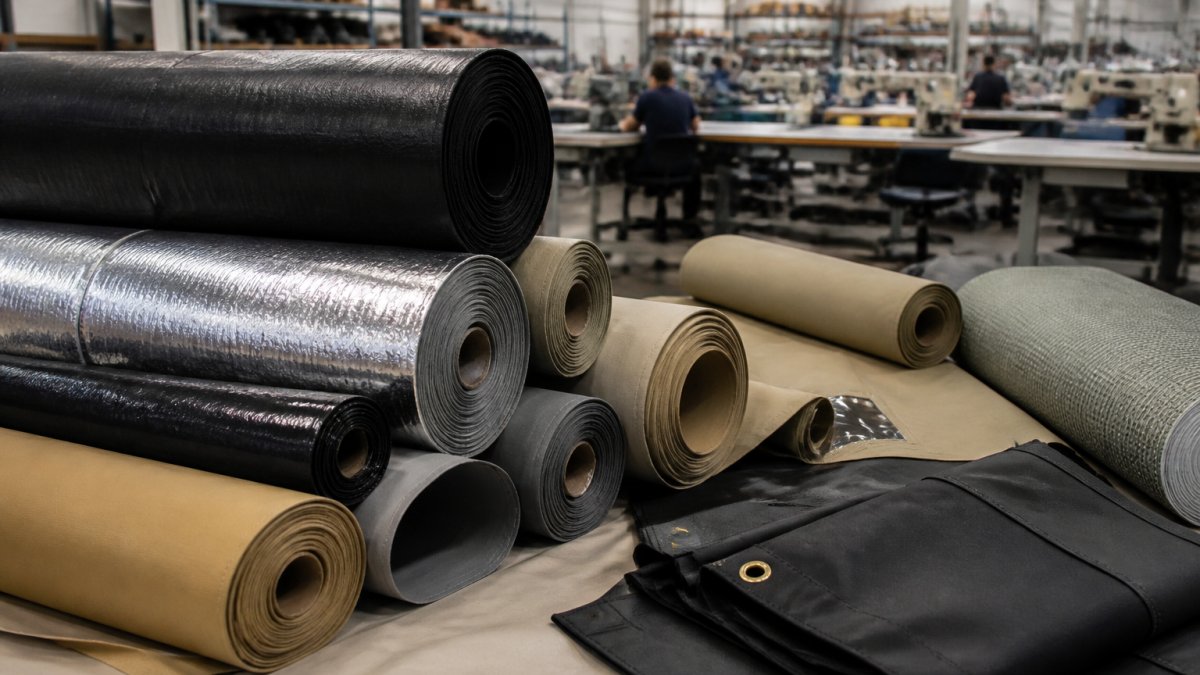
Material choice determines how long your protective gear lasts and how well it performs. High-demand environments require materials that withstand repeated exposure to hazards.
Start by identifying what your gear will contact. Chemical-resistant materials differ from cut-resistant ones. Heat-resistant fabrics behave differently than water-resistant materials. Some applications require multiple material layers to provide comprehensive protection.
Consider durability requirements:
How often will the gear be washed or cleaned?
Will it contact chemicals, oils, or solvents?
Must it survive repeated flexing or abrasion?
Does it need to maintain flexibility after extended use?
Industrial-grade materials cost more than consumer alternatives, but they last longer and perform better under stress. A vest that tears after three months creates safety gaps and replacement costs that add up quickly. Durable materials reduce turnover and maintain consistent protection.
Specify exact material compositions when working with your custom manufacturer. Don't just say "durable fabric." Specify thread type, weave density, and coating requirements. Ask about material testing results. Quality assurance protocols should include tensile strength testing, abrasion resistance testing, and chemical resistance verification.
Ergonomics and Employee Comfort Considerations
Uncomfortable protective gear gets removed, bypassed, or improperly worn. Workers prioritize comfort, sometimes unconsciously. If a safety vest restricts arm movement, employees find ways around it. If gloves are too stiff, they get stuffed in a pocket.
Custom protective gear lets you design for actual working conditions. You can specify where padding goes. You can choose closure systems that stay secure but don't pinch. You can select materials that breathe in hot environments.
Consider these ergonomic factors:
Weight distribution: Spread load across shoulders and torso, not concentrated in one area
Range of motion: Ensure workers can reach, bend, and lift without obstruction
Ventilation: Design airflow in hot environments to prevent overheating
Closure systems: Use fasteners that stay secure but don't restrict movement
Visibility: Ensure high-visibility components don't obstruct sight lines
When you source custom protective gear, discuss ergonomics with the manufacturer. They understand how design choices affect comfort. They can suggest material combinations that balance protection and breathability. They know which closure systems work best for different applications.
Involve your workforce in the design process. Have them try prototypes and provide feedback. Workers will tell you immediately what works and what doesn't. Gear designed with employee input gets better adoption rates and actually gets worn.
Vetting Custom Manufacturing Partners for Industrial Gear
Selecting the right manufacturing partner determines whether your custom protective gear meets specifications, arrives on schedule, and maintains consistent quality. This is where domestic contract sewing for industrial gear becomes strategically important.

Start by identifying potential partners. Look for manufacturers with experience in industrial-grade protective apparel. They should understand textile manufacturing, safety standards, and bulk production.
Evaluate their capabilities:
Years in business and experience with protective gear
Production capacity for your volume requirements
Equipment for specialized sewing and material handling
Quality control processes and testing capabilities
Ability to work with your specified materials
Communication and project management approach
Evaluating Production Capacity and Lead Times
Production capacity and lead times directly impact your ability to meet demand. A manufacturer with insufficient capacity creates bottlenecks. Long lead times mean you must order months in advance and carry excess inventory.
Ask specific questions about lead times:
How long from order to first production run?
What's the typical turnaround for reorders?
Can they expedite if you need faster delivery?
What happens if you need an urgent order?
How do they manage inventory of your materials?
Certifications, Quality Assurance, and Testing Protocols
Quality assurance separates reliable manufacturers from those that cut corners. Your protective gear must perform consistently. Workers depend on it for safety.
Request information about their testing capabilities:
Material testing (tensile strength, abrasion resistance, chemical resistance)
Finished product inspection protocols
Defect rates and how they handle quality issues
Documentation and traceability systems
Compliance verification procedures
Domestic Contract Sewing for Industrial Gear: Benefits and Considerations
Domestic contract sewing for industrial gear offers distinct advantages over overseas manufacturing, though it requires understanding the trade-offs. At Sewing Contractor Solutions, we help businesses recognize that domestic production solves specific business problems.
Consider these factors:
Production volume and order frequency
Time sensitivity of your market
Quality requirements and oversight needs
Total cost including inventory carrying and expedited shipping
Long-term relationship value
Comparing Custom vs. Off-the-Shelf Protective Equipment
The decision between custom protective gear and off-the-shelf options depends on your specific situation. Each approach has legitimate advantages and limitations.
Consider these questions when deciding:
How quickly do you need the gear?
How precisely do off-the-shelf options match your hazard requirements?
What's your order volume and frequency?
Do you need custom branding or specific features?
What's your budget for per-unit cost versus total project investment?
Managing Production Timelines and Inventory
Once you've selected a manufacturing partner and defined your specifications, managing production timelines and inventory becomes critical. Poor planning creates either stockouts or excess inventory.
Create an inventory management system:
Track current stock levels by item and size
Forecast demand based on historical usage
Place reorders with sufficient lead time
Maintain safety stock for critical items
Review and adjust forecasts quarterly
Frequently Asked Questions
What are the OSHA requirements for employer-provided PPE?
OSHA requires employers to provide, maintain, and replace personal protective equipment at no cost to employees. Your facility must conduct a hazard assessment to identify which PPE is necessary, provide training on proper use and care, and ensure equipment fits correctly and remains in good condition. Custom protective gear must meet ANSI certification standards applicable to your industry's specific hazards, whether respiratory protection, chemical resistance, or impact protection. Documentation of hazard assessments and employee training is mandatory.
How do you verify the quality of custom-manufactured protective gear?
Request documentation of material testing, ANSI certifications, and quality assurance protocols from your manufacturing partner. Ask for sample production runs before committing to full orders. Verify that the manufacturer conducts impact resistance, chemical protection, and durability testing on finished goods. Check references from similar companies in your industry. A reliable domestic contract sewing partner will provide detailed technical specifications, testing reports, and be transparent about their quality control processes throughout production.
Is custom-sewn safety equipment worth the investment for manufacturing facilities?
Custom protective gear is worth the investment when your workplace has specialized hazards that off-the-shelf equipment doesn't adequately address, when employee comfort directly impacts productivity and safety compliance, or when you need consistent branding across your team. The cost-benefit analysis depends on your production volume, employee turnover, and the severity of workplace hazards. Domestic sourcing reduces lead times compared to overseas suppliers, improving your ability to respond to safety needs quickly. For facilities with high-demand environments or specialized requirements, custom gear typically delivers better protection and lower long-term injury costs.
What factors influence the lead time for custom industrial protective gear?
Lead times depend on order quantity, material availability, customization complexity, and your manufacturing partner's current capacity. Domestic contract sewing typically offers faster turnaround than overseas production. Small to medium runs usually have faster turnaround times compared to overseas production, while larger orders may take longer due to production scheduling. Specialty materials, custom branding, or complex stitching patterns add time. Discuss realistic timelines upfront and confirm your supplier's ability to meet your production schedule before committing.
Request a Manufacturing Quote
Comments