
Industrial Blow Fill Manufacturing Services: Buyer's Guide

Table of Contents
What Industrial Blow Fill Manufacturing Services Actually Cover
How the Blow-Fill Process Runs, Step by Step
Extrusion and Parison Formation
Molding, Filling, and Sealing in One Cycle
Blow-Fill Contract Manufacturing: What to Verify Before You Sign
Technical Fit
Quality Systems
Regulatory and Audit History
Capacity and Scheduling
Commercial Structure
Fiber-Filled Product Manufacturing: Pillows, Cushions, and Pet Beds
Contract Manufacturing Production Planning: From Sample to Steady Output
Phase 1: Sample Evaluation
Phase 2: Pilot Run
Phase 3: Ramp
Phase 4: Steady-State Replenishment
Technology Transfer and Scale-Up Discipline
KPIs to Request When Comparing Providers
Your Manufacturing Quote Request Checklist
Where Blow-Fill Fits and Where It Does Not
Frequently Asked Questions
Last Updated: October 18, 2026
What Industrial Blow Fill Manufacturing Services Actually Cover
Industrial blow fill manufacturing services cover fiber-filled and blow-molded goods: forming the shell, filling it with fiber or another medium, and sealing it into a finished unit.
Two industries use the same phrase. In aseptic manufacturing, blow-fill-seal describes a closed process where a plastic container is extruded, molded, filled, and sealed inside one machine. In textile production, blow fill means blowing loose fiber into a sewn shell.
How the Blow-Fill Process Runs, Step by Step
The blow-fill process runs as a short, repeatable sequence: build the shell, close it except for a fill opening, blow fiber through that opening, then close and finish the unit. The handoffs between stages matter more than any single step.
Extrusion and Parison Formation
In the aseptic version, a thermoplastic resin such as polyethylene or polypropylene is heated and extruded downward as a hollow tube called a parison. Resin selection drives container strength, clarity, and compatibility with the liquid inside.
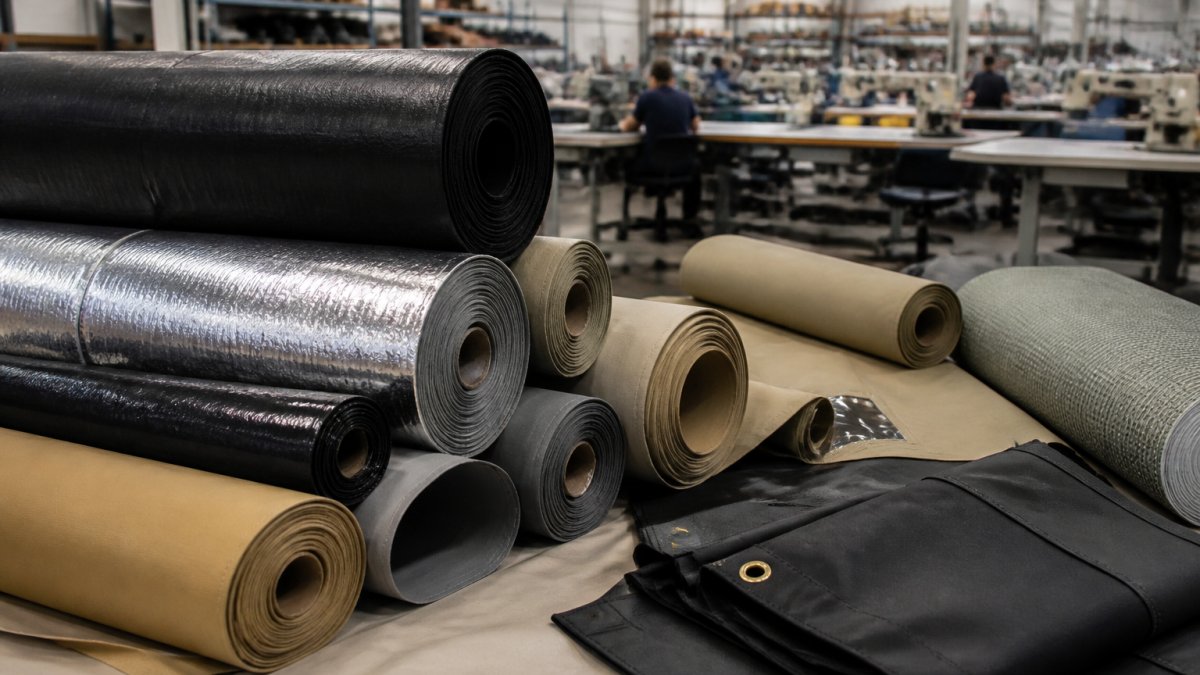
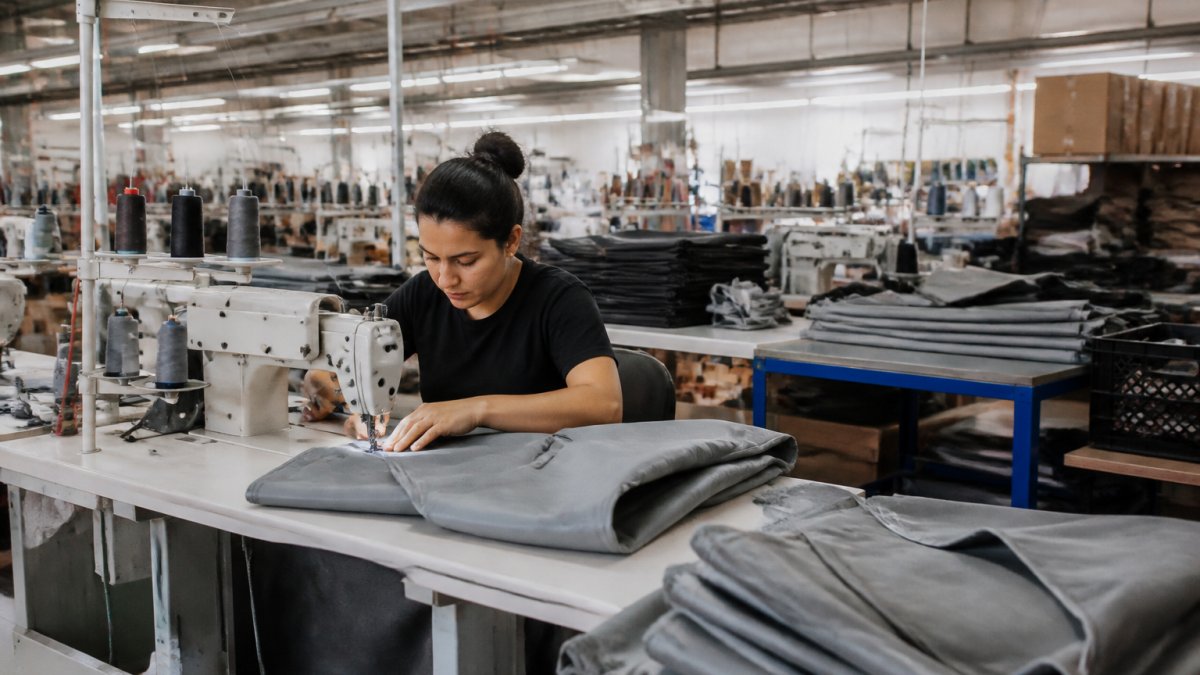
On the textile side, the equivalent step is shell preparation. We cut fabric panels, sew them with single-needle or double-needle stitching, reinforce stress points with box-X or bar-tack sewing, and leave a controlled opening for the fill head.
Molding, Filling, and Sealing in One Cycle
In aseptic blow-fill-seal, molds close around the parison, sterile air inflates it against the mold walls, the liquid fills the container, and the mold head seals it inside the closed system, which is why the format is valued for sterile liquids and unit-dose packaging.
Fiber-filled production splits the cycle but keeps the logic. Fiber is blown through the opening until the shell reaches its target fill and loft, the opening is closed, and the unit moves to inspection, labeling, and packaging.
Stage | Aseptic Blow-Fill-Seal | Fiber-Filled Blow Fill |
Forming | Parison extruded from resin | Shell cut and sewn from fabric |
Molding | Mold closes, air inflates parison | Shell shaped by pattern and seam |
Filling | Liquid dosed into formed container | Fiber blown through fill opening |
Sealing | Sealed in-mold, closed system | Opening closed and finished |
Output | Unit-dose sterile container | Pillow, cushion, or pet bed |
Pro Tip Ask any blow-fill supplier how they control fill weight across a run, not just at startup. Fiber settles differently after the first few hundred units, and a supplier without a documented check interval will drift.
Blow-Fill Contract Manufacturing: What to Verify Before You Sign
Blow-fill contract manufacturing is only as reliable as the evidence the supplier shows you before production starts. A serious qualification covers five areas: technical fit, quality systems, regulatory and audit history, capacity and scheduling, and commercial structure. Treat each as a pass/fail gate, not a conversation topic.
Technical Fit
Start with the sample. Send a production-ready sample or an established design and ask for units built to it, not a reinterpretation. Compare seam strength, fill consistency, dimensions, and closure performance against your spec sheet.
Ask which stitch types the supplier specifies and where: single-needle, double-needle, serger, box-X, bar-tack. A supplier who cannot name reinforcement points on a stress seam has not engineered the product.
Quality Systems
Request the quality manual table of contents, inspection criteria, and reject thresholds. Ask how nonconforming product is segregated, how corrective actions are tracked, and who signs off on a deviation.
A useful test: ask the supplier to walk you through the last three customer complaints and what changed as a result. Suppliers with a working quality system answer specifically. Suppliers without one answer in generalities.
Regulatory and Audit History
For aseptic or pharmaceutical-adjacent programs, ask for the current registration status, the date and outcome of the most recent inspection, and any Form 483 observations or warning letters. The FDA inspection classification database and the agency's warning letter archive are public, so verify rather than accept a verbal assurance.
For textile and fiber-filled programs, the regulatory burden is lighter, but buyers in regulated end markets still need documentation: material safety data, fiber content, flammability test reports where applicable, and country-of-origin records. Ask what the supplier can furnish at audit and in what format.
Capacity and Scheduling
Ask for current committed volume, available headroom, shift pattern, and lead time from purchase order to first shipment. Then ask what happens when your forecast doubles. A supplier running one shift with no overflow plan will bottleneck you at the worst moment.
Ask how the supplier sequences changeovers and how much downtime a color, fiber, or fabric change adds. Changeover discipline separates a line that holds schedule from one that drifts.
Commercial Structure
Confirm what is included in the quoted unit and what is billed separately: tooling, setup, material sourcing, packaging, labeling, fulfillment, freight. Ask how the supplier handles material price movement and whether the quote states its assumptions. An assumption you can read is one you can challenge.
Sample units match your specification on dimensions, fill, and seam quality
Stitch types and reinforcement points are documented in writing
Inspection criteria and reject thresholds are defined
Most recent inspection outcome and any observations are disclosed
Capacity ceiling, shift pattern, and overflow plan are stated plainly
Changeover time and cost are quantified
Quote states its assumptions on volume, material, and delivery
You have a named contact in production, not just sales
Packaging, labeling, and fulfillment responsibilities are assigned
Watch Out The most expensive mistake in contract manufacturing is choosing on unit price alone. A lower quote with undocumented inspection standards tends to surface as rejects and rework after the first shipment, when switching costs are highest.
Fiber-Filled Product Manufacturing: Pillows, Cushions, and Pet Beds
Fiber-filled product manufacturing covers pillows, cushions, pet beds, and similar goods where a sewn shell is filled with loose or batted fiber.

Shell fabric drives the rest of the decision. A lightweight cover needs a tighter weave to stop fiber migration.
Fill density separates a product that feels substantial from one that goes flat. Specify a target fill weight per unit and a tolerance, then confirm it on incoming inspection.
Volume expectations vary widely by product and program.
Contract Manufacturing Production Planning: From Sample to Steady Output
Contract manufacturing production planning moves a project through four phases: sample evaluation, pilot run, ramp, and steady-state replenishment. Each answers a different question, and skipping one pushes its risk into the next.
Phase 1: Sample Evaluation
This phase answers whether the product can be built to specification at all. You supply a production-ready sample or an established design; the supplier builds units to it and returns a written specification covering materials, stitch types, reinforcement points, fill weight and tolerance, and finished dimensions.
Exit criteria: signed specification, approved sample retained by both parties, and a documented bill of materials. If the supplier cannot hit the sample, they will not hit the run, stop here rather than push into a pilot.
Phase 2: Pilot Run
This phase answers whether the product can be built repeatedly.
Documentation to expect: a process routing, inspection records at the stated frequency, fill-weight or dimensional data across the run, and a first-article inspection report.
Metrics to request: first-pass yield, reject rate by defect type, fill-weight standard deviation, and dimensional conformance. A pilot that produces good units but a wide fill-weight spread is not ready to ramp.
Phase 3: Ramp
This phase answers whether the line can scale without losing quality.
Common risks at ramp: fiber or fabric availability constraining output before sewing capacity does; a second shift introducing operators who were not on the pilot; and packaging or labeling capacity lagging production.
Exit criteria: quality metrics at ramp volume within the pilot's demonstrated range, and a written capacity statement covering shift pattern and headroom.
Phase 4: Steady-State Replenishment
This phase answers whether replenishment keeps pace with demand. Inspection moves to a routine frequency, and the relationship shifts to forecasting and inventory control.
That is a flexibility and responsiveness argument, not a blanket cost argument. Domestic manufacturing is not always cheaper than overseas production; the case rests on lead time, communication, and inventory carrying cost.
Technology Transfer and Scale-Up Discipline
Moving a product into commercial production is a technology transfer, and it needs an owner on both sides. The transfer package should include the approved specification, bill of materials, process routing, inspection criteria, packaging and labeling artwork, and any regulatory documentation the end market requires.
A practical sequencing note: if you are reshoring from an overseas supplier, plan a transition window where both sources run in parallel rather than cutting over on a single date.
KPIs to Request When Comparing Providers
Ask every candidate to report the same metrics so the comparison is apples to apples: first-pass yield, reject rate by defect type, fill-weight or dimensional standard deviation, on-time delivery, lead time from purchase order to shipment, and changeover time. A supplier who tracks these can answer; one who does not is asking you to accept assurance in place of evidence.
Key Takeaway Treat the pilot run as a decision gate, not a formality. Define in advance what result would stop the project, and hold to it.
Your Manufacturing Quote Request Checklist
A manufacturing quote request checklist gets you comparable quotes instead of guesses. Suppliers quote what you describe, so an incomplete request produces numbers you cannot line up side by side.
Include the following in every request:
Product description and intended use
Production-ready sample or established design reference
Bill of materials, or a note that you need material sourcing help
Target annual volume and expected order frequency
Required stitch types, reinforcements, and any performance standards
Fill weight and tolerance for fiber-filled items
Packaging, labeling, and fulfillment requirements
Delivery destinations and required in-hand dates
Any regulatory or documentation requirements that apply to your market
Pricing depends on quantity, materials, dates, and delivery, so ask suppliers to state the assumptions behind each number. An assumption you can read is an assumption you can challenge.
For aseptic or pharmaceutical-adjacent programs, add validation expectations and the documentation you will need at audit. The FDA guidance on process validation is the reference point buyers in regulated categories should read before drafting requirements.
Where Blow-Fill Fits and Where It Does Not
It fits less well in a few situations. Very low, one-time quantities rarely justify the setup.
The aseptic version has its own boundary.
That is the honest split. Buyers who understand which version of blow fill they are actually buying avoid a lot of wasted quoting.
If your team has a production-ready product and a recurring demand forecast, the next step is a real conversation about capacity and scheduling.
Frequently Asked Questions
What is industrial blow fill manufacturing?
It is a production method where a container or fabric shell is formed, filled with material, and closed in a linked sequence rather than as separate jobs. In textile and fiber-filled work, blow-fill equipment pushes loose fiber into sewn shells such as pillows, cushions, and pet beds. Industrial blow fill manufacturing services typically bundle that filling step with cutting, sewing, assembly, labeling, and packaging so a buyer receives a finished, shippable product instead of loose components.
What should buyers look for in a blow-fill contract manufacturing partner?
Check four things: whether the provider runs the upstream sewing in-house, how they handle fill weight consistency across a run, what their inspection and reject process looks like, and whether they can absorb volume swings without pushing your ship dates. Ask for references from customers with recurring orders, not one-time projects. A provider that only fills shells you source elsewhere adds a handoff and a delay. Blow-fill contract manufacturing works best when cutting, sewing, filling, and packaging sit under one roof.
What information should a company provide when requesting a manufacturing quote?
Send a production-ready sample or established design, the fabric and fill specifications, target quantities per order and per year, required ship dates, packaging and labeling requirements, and any testing or documentation your customers demand. Note whether you supply materials or need sourcing help. A complete manufacturing quote request checklist shortens turnaround because the provider can price setup, learning curve, and run economics in one pass instead of trading emails for a week.
How do manufacturers assess a product before scaling blow-fill production?
They review the existing sample for shell construction, seam type, fill opening size, and fabric behavior under tension. Then they run a short trial to measure fill weight variance, cycle time, and reject rate. Contract manufacturing production planning follows: material sourcing, cutting schedules, sewing line capacity, fill station throughput, and packaging flow. Products with unusual shapes or mixed fills take longer to stabilize, so build trial time into your launch schedule rather than assuming day-one output matches the sample.
Discuss Your Production Project
Comments