
Industrial Protective Gear Manufacturing Cost 2026

Table of Contents
What Drives Industrial Protective Gear Manufacturing Cost in 2026
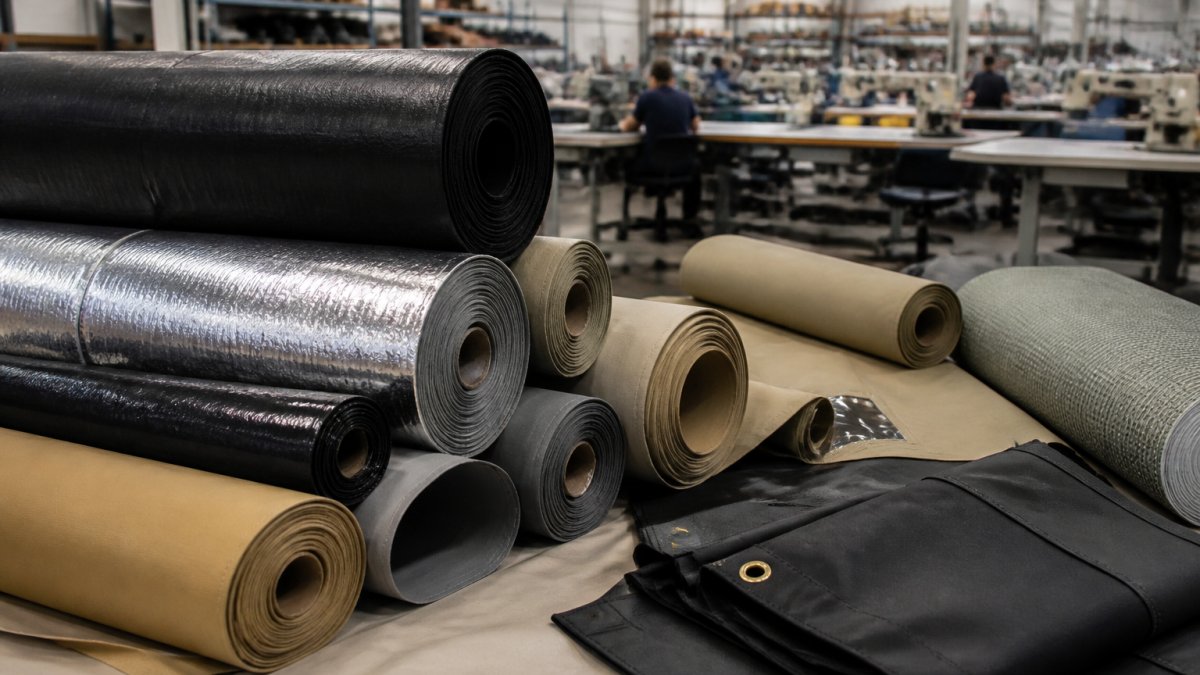
Raw Material Procurement and Textile Selection
Labor and Production Overhead
Supply Chain and Logistics
Industrial Textile Manufacturing Cost Drivers and Budget Planning
Direct Material Cost Structure
Labor Cost Per Unit and Production Complexity
Overhead Absorption and Facility Costs
Waste, Rework, and Quality Control
Logistics and Packaging
Cost Forecasting and Material Price Volatility
How to Vet a Contract Sewing Manufacturer for Reliable Production
Assessing Production Capacity and Quality Standards
Evaluating Supply Chain Resilience
Domestic PPE Production Benefits and Cost Competitiveness
Communication, Flexibility, and Just-in-Time Supply
Inventory Control and Faster Replenishment
Market Valuation, CAGR and Industry Segmentation
SME Budgeting and Cost Optimization Strategies
The Material Quality vs. Cost Trade-Off
Fixed vs. Variable Cost Structure
Production Volume and Tiered Pricing
Material Sourcing and Supplier Relationships
Recurring Production and Workflow Optimization
Frequently Asked Questions
Last Updated: October 1, 2026
What Drives Industrial Protective Gear Manufacturing Cost in 2026
Industrial protective gear manufacturing cost 2026 depends on raw material selection, labor efficiency, supply chain logistics, and production complexity.
Material sourcing remains the largest expense, but labor, overhead, and supply chain resilience now command equal attention from serious manufacturers evaluating cost structure.
Raw Material Procurement and Textile Selection
Raw material procurement represents 40-60% of total manufacturing cost for most industrial protective gear.
Heavy-duty materials like Cordura, aramid blends, and PVC-coated fabrics cost more per yard but run faster through production, waste less in cutting, and deliver superior performance.
Textile selection affects lead times and sourcing flexibility.
Labor and Production Overhead
Labor costs remain higher in domestic manufacturing than in many overseas locations. That's not the full story, though. What matters is labor cost per unit, which depends on production speed, setup complexity, and production volume.
A simple stitch on lightweight fabric might take 2-3 minutes per unit; a multi-stitch assembly with bar-tacks, box-X stitching, and specialty seaming could take 15-20 minutes per unit.
Production overhead includes facility costs, equipment maintenance, quality control, and supervisory labor. Manufacturers handling ongoing production relationships can optimize workflows and reduce per-unit overhead through consistency and familiarity with your product line.
Supply Chain and Logistics
Supply chain cost includes material procurement delays, inventory holding, and shipping. Domestic sourcing reduces lead-time variability and inventory risk compared to overseas production.
Logistics costs for domestic shipping are lower than international freight. Just-in-time supply becomes realistic with a domestic partner; you can order smaller, more frequent production runs and reduce inventory carrying costs.
Industrial Textile Manufacturing Cost Drivers and Budget Planning
Industrial protective gear manufacturing cost 2026 breaks down into discrete components: raw materials, labor per unit, overhead absorption, waste and rework, and logistics. Understanding this structure allows you to identify where actual savings are possible and where cost increases are unavoidable.
Direct Material Cost Structure
Raw materials typically represent 40-60% of total manufacturing cost.
Material cost includes base fabric, thread and fasteners, trim and binding, lining (if applicable), and waste.
A manufacturer experienced with your material profile can minimize waste through optimized cutting layouts and source materials strategically.
Labor Cost Per Unit and Production Complexity
Labor cost per unit depends on hourly labor rate, production speed, and setup overhead absorption.
Setup time is absorbed into your production run. This is why larger production runs lower per-unit labor cost, and why manufacturers with ongoing production relationships can optimize workflows through consistency and familiarity.
Overhead Absorption and Facility Costs
Manufacturing overhead is typically allocated as a percentage of direct labor cost. For simple products with low labor cost, overhead absorption can exceed direct labor cost. For complex products, overhead is spread across more labor minutes and becomes a smaller percentage of total cost.
Waste, Rework, and Quality Control
Defect rates and rework add hidden cost. A well-maintained facility with experienced operators typically runs low defect rates; a poorly maintained facility might run higher. Cutting waste (8-15% of material) is unavoidable and should be factored into material cost assumptions.
Logistics and Packaging
Logistics cost includes packaging, labor, and freight. Domestic manufacturing reduces freight cost and lead-time variability. Just-in-time supply from a domestic manufacturer allows smaller, more frequent production runs and reduces inventory carrying costs and working capital requirements.
Cost Forecasting and Material Price Volatility
Textile prices, energy costs, and transportation rates fluctuate based on global supply conditions; labor costs remain relatively stable.
Cost Component | Typical Range (% of Total) | Volatility | Mitigation Strategy |
Raw materials | 40-60% | High | Long-term supplier relationships, strategic inventory |
Direct labor | 15-30% | Low | Production efficiency gains, workflow optimization |
Overhead absorption | 20-35% | Low | Volume leverage, facility utilization |
Waste and rework | 5-10% | Medium | Quality control, operator training |
Logistics and packaging | 5-15% | Medium | Regional sourcing, consolidation, domestic production |
Understanding this breakdown allows you to negotiate intelligently with manufacturers and identify where cost increases are driven by market conditions (material prices) versus operational inefficiency (waste, rework, poor scheduling).
How to Vet a Contract Sewing Manufacturer for Reliable Production
Evaluating a contract sewing manufacturer requires assessing production capacity, quality standards, and supply chain resilience. The right partner reduces your operational risk and supports scalable growth. When selecting a Industrial Sewing Manufacturing partner, look for demonstrated experience with your product category and material requirements.

Assessing Production Capacity and Quality Standards
Production capacity assessment starts with understanding the manufacturer's equipment mix: single-needle, double-needle, serger, and specialty stitching capabilities. Request samples of similar products they've manufactured and examine seam consistency, stitch tension, and finishing. Ask about their quality control process and experience with your specific materials.
Evaluating Supply Chain Resilience
Supply chain resilience determines whether your manufacturer can deliver reliably. Ask about their material sourcing strategy, inventory buffers, and supplier relationships. Domestic manufacturers can source materials within the U.S., reducing lead-time risk. Ask about production scheduling flexibility and their ability to accommodate order increases or delivery timing adjustments without major cost penalties.
Domestic PPE Production Benefits and Cost Competitiveness
Domestic manufacturing of industrial protective equipment offers benefits beyond labor cost. Communication, production flexibility, and inventory control create real operational advantages that reduce your total cost of ownership.
Communication, Flexibility, and Just-in-Time Supply
Direct communication with ownership and production leadership accelerates problem-solving. A domestic partner can accommodate smaller runs, faster turnarounds, and schedule adjustments that reduce inventory carrying costs. Just-in-time supply becomes realistic.
Inventory Control and Faster Replenishment
Faster replenishment from domestic production reduces safety stock requirements and frees up cash. Smaller, more frequent orders reduce obsolescence risk and minimize working capital tied up in finished goods.
Market Valuation, CAGR and Industry Segmentation
The industrial protective equipment market reflects broader trends in workplace safety regulation, manufacturing automation, and supply chain reshoring.
The protective equipment industry segments by product type: respiratory protection, hand and arm protection, foot protection, body protection, and specialized gear.
Market growth reflects regulatory compliance requirements, workplace hazard awareness, and industrial automation trends.
SME Budgeting and Cost Optimization Strategies
Small and medium enterprises managing industrial protective gear manufacturing face a specific challenge: balancing material quality, production cost, and market positioning when volume doesn't yet justify the economies of scale that larger competitors enjoy. The key is understanding where premium materials deliver genuine cost savings through production efficiency, and where they're simply a cost increase that your market won't support.
The Material Quality vs. Cost Trade-Off
Material selection affects not just material cost but also production speed, waste rates, and end-product performance. Commodity materials cost less per yard but often run slower through production and generate higher cutting waste.
Premium materials may deliver operational savings through faster production, lower waste, and fewer defects that offset their higher per-yard cost.
Fixed vs. Variable Cost Structure
Understanding fixed and variable costs helps you forecast accurately as volume changes and negotiate pricing intelligently.
Variable costs scale with production volume: materials, direct labor per unit, packaging, and freight.
When evaluating manufacturer quotes, ask for a breakdown of fixed and variable costs.
Production Volume and Tiered Pricing
Many manufacturers offer tiered pricing that reflects the economies of scale from larger runs.
For an SME, the optimal order size balances three factors: per-unit manufacturing cost (which decreases with volume), inventory carrying cost (which increases with volume), and cash flow (which improves with smaller, more frequent orders).
Ask your manufacturer about their pricing structure across different volume tiers, and also ask about their flexibility on delivery timing.
Material Sourcing and Supplier Relationships
Material sourcing decisions drive 40-60% of total cost.
Independent sourcing gives you control and potentially lower material cost if you can negotiate directly with suppliers.
Letting your manufacturer source materials simplifies your operation and gives the manufacturer leverage to negotiate better pricing through volume aggregation.
Build relationships with manufacturers who understand your market and product category.
Recurring Production and Workflow Optimization
The biggest cost advantage for SMEs comes from recurring, predictable production. A manufacturer that produces your product every month can optimize workflows, maintain consistent operator training, and reduce setup overhead per unit.
If you can commit to recurring monthly or quarterly production runs, you can negotiate better pricing and more reliable delivery than a one-time order.
Frequently Asked Questions
What are the primary cost drivers for manufacturing industrial protective gear?
The main cost drivers include raw material procurement (specialty fabrics like Cordura and aramid materials command premium prices), labor and production overhead, supply chain logistics, and regulatory compliance requirements. Manufacturing overhead encompasses equipment depreciation, facility costs, and quality assurance. For 2026, inflationary pressure on materials and labor continues to influence budgets. Businesses sourcing from domestic manufacturers benefit from transparent cost forecasting and the ability to adjust production runs based on actual demand rather than large overseas minimum orders.
How does domestic contract manufacturing impact supply chain stability for PPE production?
Domestic manufacturing reduces dependence on extended overseas lead times and global trade dynamics. Direct communication with production leadership enables faster problem-solving, inventory control, and the ability to respond to demand fluctuations without committing to large capital expenditure upfront. Domestic producers can offer just-in-time supply, shorter replenishment cycles, and production flexibility that overseas manufacturers typically cannot match. This stability is especially valuable for established brands managing recurring orders and inventory optimization across multiple SKUs.
What should I look for when vetting a contract sewing manufacturer?
Evaluate production capacity relative to your order volume, quality standards and certifications relevant to industrial protective equipment, and supply chain resilience strategies. Ask about their experience with similar materials (heavy-duty fabrics, specialty textiles, aramid materials) and their ability to handle your specific sewing requirements (single-needle, box-X, bar-tack, serger work). Request references from established companies in your industry, confirm their material sourcing capabilities, and verify their ability to scale production without extended lead times. A reliable manufacturer should communicate transparently about setup costs, learning curves, and ongoing economics of your project.
Can domestic manufacturing compete on cost with overseas production?
Domestic manufacturing does not always undercut overseas pricing on per-unit basis, but the total cost picture often favors reshoring when factoring in faster turnaround, reduced minimum orders, inventory carrying costs, tariffs, and supply chain risk mitigation. Domestic producers offer production flexibility and the ability to optimize for your specific operational expenditure rather than forcing you into large overseas commitments. The cost advantage depends on your production volume, lead-time requirements, and willingness to work with a partner on scalable, recurring orders rather than seeking the absolute lowest per-unit price.
Discuss Your Production Project

Comments