
When Does Custom Contract Sewing Make Sense for Industrial Products?

Table of Contents
When Off-the-Shelf Products Are No Longer Enough
Why Custom Manufacturing Matters for Industrial Sewn Products
Durability and Material Longevity: The Custom Advantage
The Cost-Benefit of Custom Sewn Manufacturing
When to Choose Off-the-Shelf vs. Custom Sewn Safety Equipment
When to Choose Off-the-Shelf vs. Custom Sewn ManufacturingThe Benefits of Working With a U.S.-Based Contract Sewing ManufacturerWhat types of products can a contract sewing manufacturer produce?Why choose a U.S.-based contract sewing manufacturer?Can Sewing Contractor Solutions help develop a new sewn product?
The Benefits of Working With a U.S.-Based Contract Sewing Manufacturer
What types of products can a contract sewing manufacturer produce?
Why choose a U.S.-based contract sewing manufacturer?
Can Sewing Contractor Solutions help develop a new sewn product?
Frequently Asked Questions
Last Updated: September 8, 2026
Procurement managers face a difficult question when evaluating safety gear: is custom sewn safety equipment worth the investment compared to cheaper off-the-shelf alternatives? The short answer is yes for most industrial operations, but the decision depends on factors like compliance requirements, usage intensity, and how you measure long-term value. We help companies across industrial and medical markets weigh these trade-offs daily, and the math rarely favors the lowest upfront price. This guide breaks down the real costs, durability differences, and compliance considerations so you can make a confident procurement decision.
When Off-the-Shelf Products Are No Longer Enough
Many companies begin with an off-the-shelf sewn product, but standard products do not always meet the requirements of a specific application. Size, shape, materials, attachment points, reinforcement, durability or other design requirements may call for a product manufactured specifically for the job.
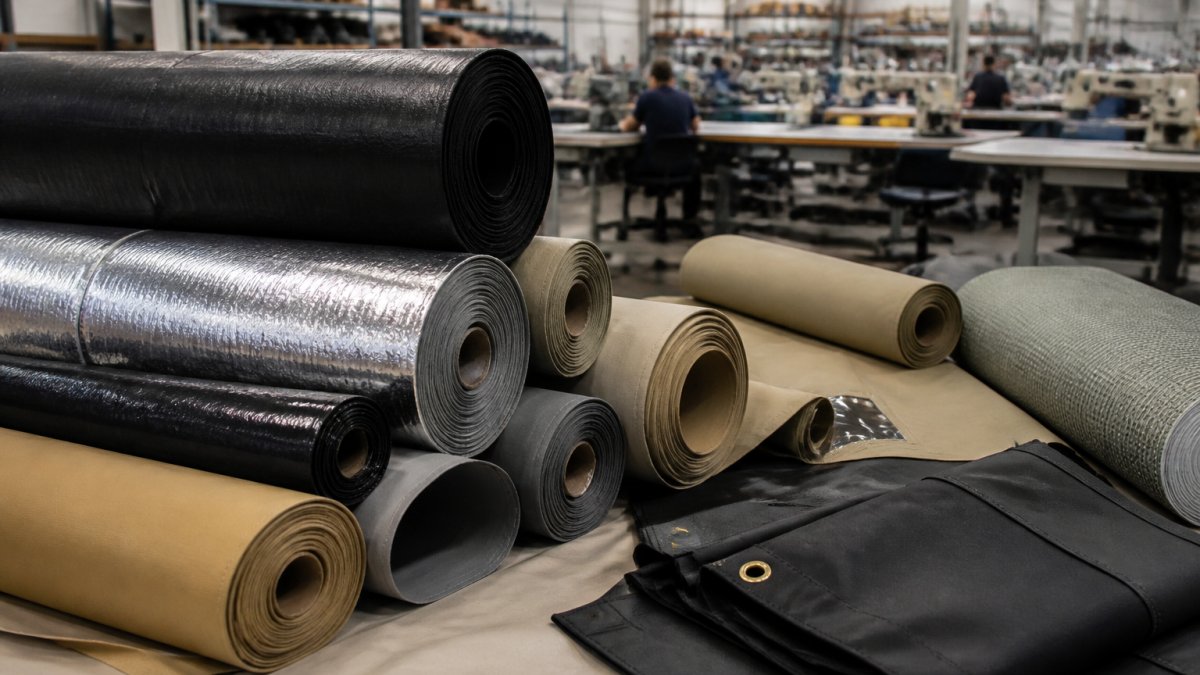
Custom contract sewing allows a company to specify the materials, dimensions and construction methods needed for its product. This can include specialized fabrics, webbing, reinforced seams, custom closures and other components selected for the intended application.
Sewing Contractor Solutions works with businesses that need custom sewn products manufactured to their specifications, whether they are developing a new product, improving an existing design, outsourcing production or looking for a U.S.-based manufacturing partner.
Why Custom Manufacturing Matters for Industrial Sewn Products
Industrial sewn products often need to perform in environments and applications that standard consumer products were never designed to handle. The right construction depends on how the product will be used, the materials involved, the stresses placed on seams and attachment points, and the customer's specific design requirements.
Working with a contract sewing manufacturer gives businesses greater control over these details. Fabric, webbing, thread, closures, reinforcement and construction methods can be selected based on the needs of the finished product rather than being limited to an existing off-the-shelf design.
This is especially valuable for companies developing specialty products, equipment covers, bags, protective components, fabric assemblies and other industrial sewn products where dimensions, durability and construction can vary significantly from one application to another.
At Sewing Contractor Solutions, we work with customers to understand the product they need manufactured and determine a practical path from concept or existing design through production. For companies looking for a U.S.-based sewing partner, this also provides more direct communication and greater visibility throughout the manufacturing process.
Durability and Material Longevity: The Custom Advantage
Material selection and construction play an important role in the durability of any sewn product. Industrial applications may require fabrics and components that can withstand repeated use, abrasion, outdoor exposure, heavy loads, or other demanding conditions.
Custom manufacturing gives businesses greater control over these choices. Depending on the application, a product may require heavier fabrics, reinforced stitching, webbing, specialized thread, stronger attachment points, additional layers, or other construction features designed around how the finished product will actually be used.
The construction method matters just as much as the material itself. Seam placement, stitch type, reinforcement, and the way components are assembled can all affect how a sewn product performs over time. Designing these details around the intended application can help improve durability and reduce premature product failure.
Sewing Contractor Solutions works with a wide variety of fabrics, webbing, and specialty materials to manufacture custom sewn products for commercial and industrial applications. Our goal is to build the product according to the customer's specifications and the requirements of its intended use.

Custom sewn canvas tote bag demonstrating commercial cut-and-sew manufacturing
Pro Tip When evaluating a custom manufacturer, ask for their material specification sheet. They should be able to tell you the exact fabric weight, weave, and finish, as well as the thread type and needle size they plan to use. If they cannot articulate why they chose a specific thread for a flame-resistant garment, that is a red flag.
The Cost-Benefit of Custom Sewn Manufacturing
Choosing a custom-sewn manufacturing partner involves more than comparing the lowest unit price. Businesses should also consider product quality, consistency, production capacity, lead times, communication, and the ability to scale as demand grows.
Domestic contract manufacturing can offer advantages for companies that need greater visibility and communication throughout production. Working with a U.S.-based sewing manufacturer can also make it easier to address product changes, evaluate materials and construction, and respond as production needs evolve.
Sewing Contractor Solutions works with businesses to manufacture custom sewn products based on their specifications and production requirements. From product development and prototypes through ongoing production, the goal is to create a manufacturing solution that balances quality, efficiency, and scalability.
When to Choose Off-the-Shelf vs. Custom Sewn Safety Equipment
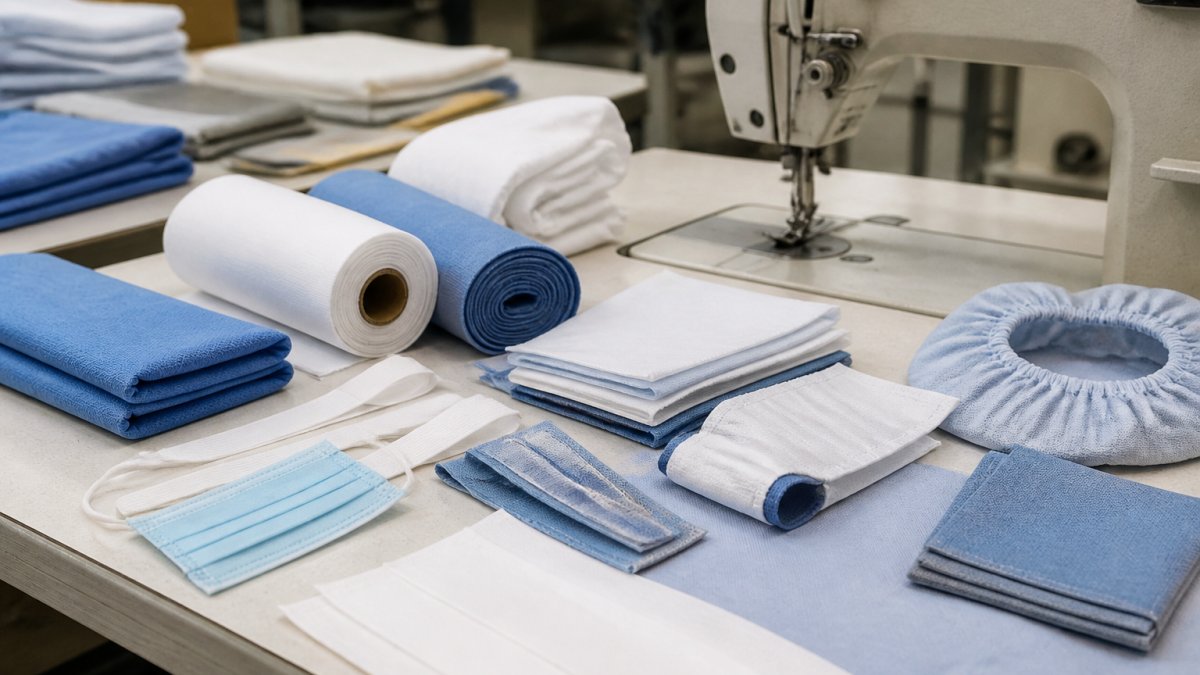
Off-the-shelf PPE makes sense for low-risk, standardized tasks where generic protection meets the hazard profile. If your team performs basic material handling with no unusual exposure risks, standard options may provide adequate protection at a reasonable cost. The key is matching equipment to the actual risk assessment for each role.
Custom sewn safety equipment becomes the right choice when your operations involve non-standard hazards, specialized materials, or ergonomic demands that generic gear cannot address. Facilities handling chemicals, working near heat sources, or requiring mobility in confined spaces often find that standard products fall short of both safety and comfort requirements.
The decision also depends on your procurement strategy. If you value consistency, documented compliance, and predictable quality, a custom manufacturer provides traceability that spot purchases cannot match. Working directly with a U.S.-based contract sewing partner gives you control over materials, construction standards, and quality assurance that importing generic gear cannot offer.
When to Choose Off-the-Shelf vs. Custom Sewn Manufacturing
Off-the-shelf products can be a practical choice when a standard product already meets a company's needs. But when dimensions, materials, construction, features or production requirements are unique, custom sewn manufacturing provides greater flexibility.
Custom manufacturing is especially valuable when a business is developing a new product, modifying an existing design, scaling production, or needs a sewn component made to specific requirements. It allows companies to make decisions about materials, dimensions, construction methods, and other product details rather than adapting their needs to an existing mass-produced item.
Working with a U.S.-based contract sewing manufacturer can also provide closer communication throughout product development and production. Sewing Contractor Solutions works with businesses from product development and prototypes through production runs, helping turn sewn-product concepts and existing designs into manufacturable products.
The Benefits of Working With a U.S.-Based Contract Sewing Manufacturer
Working with a U.S.-based contract sewing manufacturer can give businesses greater visibility and communication throughout the manufacturing process. This can be especially valuable during product development, when specifications, materials, or construction details may need to be refined before moving into production.
Domestic manufacturing can also help companies respond more quickly when production needs change. Instead of managing long overseas supply chains, businesses can work directly with a manufacturing partner to discuss product requirements, production schedules, and future needs.
Sewing Contractor Solutions provides commercial and industrial sewing, cut-and-sew manufacturing, and custom sewn-product production in Dallas, Texas. We work with businesses that need a reliable domestic manufacturing partner for both developing and producing sewn products.
Request a manufacturing quote from Sewing Contractor Solutions and see how domestic production can support your product development, production needs, and supply chain.
What types of products can a contract sewing manufacturer produce?
Contract sewing manufacturers can produce a wide variety of sewn products and components for commercial and industrial applications. Sewing Contractor Solutions works with fabrics, webbing, and specialty materials to manufacture custom sewn products based on each customer’s specifications. Projects can range from prototypes and product development to ongoing production runs.
Why choose a U.S.-based contract sewing manufacturer?
Working with a U.S.-based contract sewing manufacturer can provide closer communication, greater visibility into production, and fewer complications associated with overseas supply chains. Domestic manufacturing can be especially valuable when developing a new product, refining specifications, or scaling production. Sewing Contractor Solutions provides contract sewing and cut-and-sew manufacturing from our facility in Dallas, Texas.
Can Sewing Contractor Solutions help develop a new sewn product?
Yes. Sewing Contractor Solutions works with businesses from product development and prototypes through production runs. We can work from an existing product, design concept, or customer specifications to help determine a practical path toward manufacturing and scalable production.
Frequently Asked Questions
What types of products can a contract sewing manufacturer produce?
Contract sewing manufacturers can produce a wide variety of sewn products and components for commercial and industrial applications. Sewing Contractor Solutions works with fabrics, webbing, and specialty materials to manufacture custom sewn products based on each customer’s specifications. Projects can range from prototypes and product development to ongoing production runs.
Why choose a U.S.-based contract sewing manufacturer?
Working with a U.S.-based contract sewing manufacturer can provide closer communication, greater visibility into production, and fewer complications associated with overseas supply chains. Domestic manufacturing can be especially valuable when developing a new product, refining specifications, or scaling production. Sewing Contractor Solutions provides contract sewing and cut-and-sew manufacturing from our facility in Dallas, Texas.
Can Sewing Contractor Solutions help develop a new sewn product?
Yes. Sewing Contractor Solutions works with businesses from product development and prototypes through production runs. We can work from an existing product, design concept, or customer specifications to help determine a practical path toward manufacturing and scalable production.
Comments